
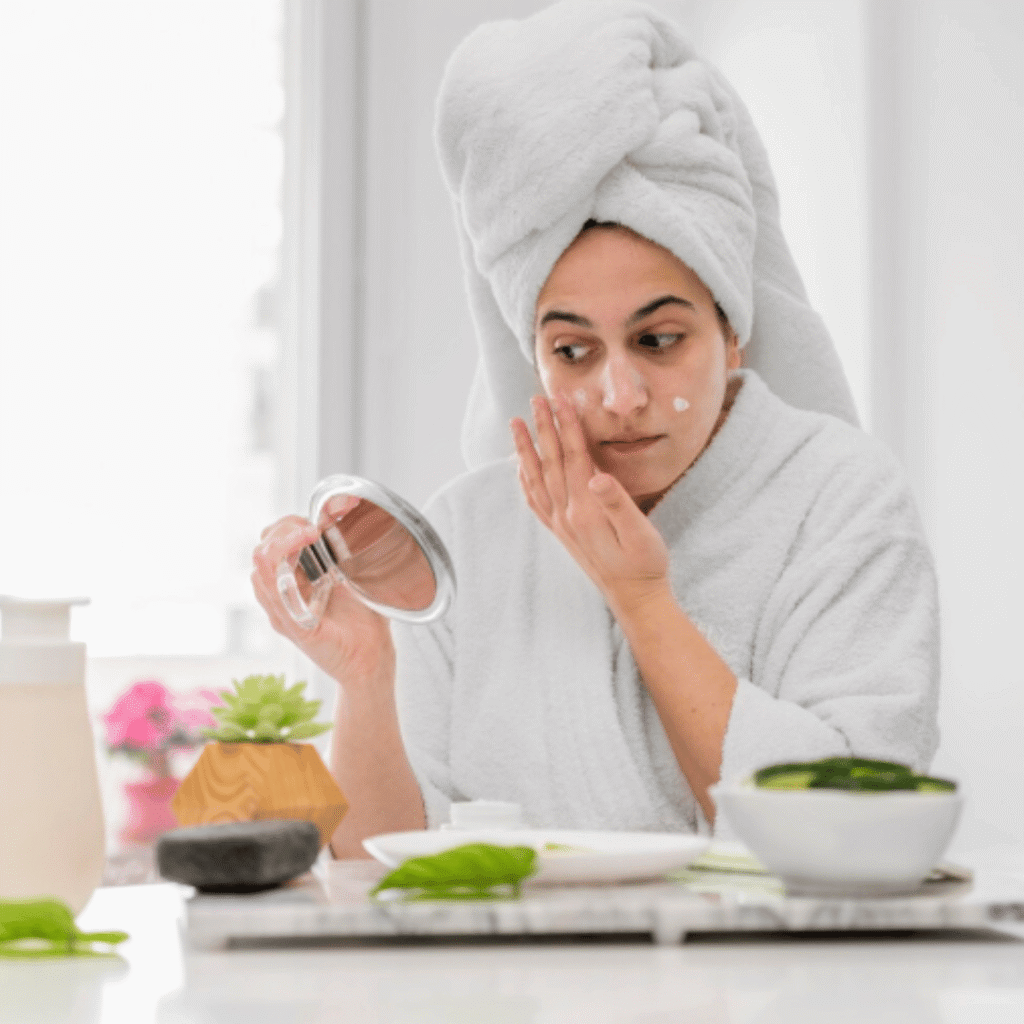
Understanding Your Skin Type
If you want to set up a good skincare routine, the first thing you really have to do is figure out your skin type. Is your skin normal, oily, dry, a mix of different types, or maybe sensitive? Once you know this, you can pick out products and build a routine that actually works for you, not against you. Creating a simple skincare routine is all about working with what you’ve got rather than fighting it.
So, how do you figure out your skin type? Just start with a clean face—wash it with a gentle cleanser, then let your skin be for about an hour. Pay attention to how it feels. If it gets tight and starts to flake, you’re probably dealing with dry skin. If it gets shiny, especially around your forehead, nose, and chin (yeah, the T-zone), that’s a sign you’re oily.
Combination skin is trickier. Usually, your cheeks will feel dry or normal, but your T-zone will be oily. If your skin freaks out whenever you try new products or the weather changes, you might have sensitive skin. Redness and irritation are big clues here.
There’s another way to check—just take a clean tissue and press it on different parts of your face for a few seconds. If you see oil, especially on the T-zone, you’ve got oily or combination skin. If the tissue comes away clean, you’re looking at normal or dry skin. And if you see any redness or areas that look irritated, that points to sensitivity.
Taking this time to get to know your skin really lays the groundwork for starting a beginner skincare routine. Once you’re familiar with your skin’s quirks, it’s a lot easier to pick out products that will actually help.
Essential Skincare Products for Beginners
If you want healthy skin, you need the right products, but you don’t have to go all out at first. For anyone just starting out, focus on a few basics that matter most—no need to drown in choices.
First thing: pick a gentle cleanser. You want something that washes away dirt, makeup, and oil without drying out your skin. Avoid cleansers that have harsh sulfates or strong fragrances—they can stir up trouble, especially if you have sensitive skin. A cleanser that keeps your skin hydrated while cleaning it is a bonus and works for pretty much everyone.
Next, you need a moisturizer. Go with something lightweight and non-comedogenic, so it won’t clog your pores. Moisturizing isn’t just for people with dry skin—everyone’s skin needs hydration. When your skin gets the moisture it needs, it won’t overproduce oil or get flaky.
Don’t skip sunscreen. Seriously, it makes a huge difference. Find a broad-spectrum sunscreen with an SPF of 30 or higher, and use it every single day. Sun damage happens even when it’s cloudy. Sunscreen doesn’t just stop sunburn; it keeps your skin from aging too fast and protects against skin cancer.
Once you’re comfortable with these basics, you can add in serums or spot treatments if you want. Look for ones with gentle but effective ingredients—think hyaluronic acid for hydration or niacinamide to calm skin. Keep it simple at first and build up as you learn more about what your skin likes.
Starting out isn’t as hard as it sounds. Just stick to a good cleanser, moisturizer, and sunscreen, and you’re setting yourself up for success. You can bring in extra steps when you’re ready, but these three will get you off on the right foot.
The Importance of Cleansing Your Face
Cleansing is where your whole skincare journey starts, especially if you’re new and trying to get your skin healthier. Every day, your face takes on dirt, pollution, and makeup. Leave it all there, and you’ve got a perfect recipe for clogged pores and dull skin. So, washing your face well really is a must—it sets the stage for every other product you use.
Picking the right cleanser matters. Oily, dry, combination, or sensitive skin all do better with certain formulas. Gel cleansers usually work well for oily skin, while cream cleansers suit dry skin.
Pay attention to the ingredient list, too—steer clear of harsh sulfates and overpowering fragrances. They just irritate your skin. Look for gentle options with soothing stuff like aloe vera or chamomile. And if you wear makeup, double cleansing helps: use an oil-based cleanser to break down your makeup first, then a gentle water-based cleanser to finish the job.
Make cleansing a daily habit, and you’ll probably see your skin start to clear up, stay hydrated, and feel smooth. It’s just one step, but it makes every other part of your routine work better. Sticking to cleansing is a big win for anyone just starting skincare.
Moisturizing: Why and How
Moisturizing might sound a bit basic, but it’s huge for skin health, especially when you’re a beginner. The point of moisture is simple—it locks in hydration and throws up a barrier to defend your skin from whatever the world throws at it. Well-moisturized skin feels better, looks brighter, and holds up better over time. Getting moisture right also keeps problems like dryness and irritation away, which is key for any basic routine.
Picking out a moisturizer depends on your skin type. If you have oily skin, go for a lighter gel—nothing sticky or heavy. Dry skin does better with thick creams, something that really hydrates. Have sensitive skin? Go fragrance-free and look for products marked hypoallergenic. Figuring out your skin type helps you buy the right stuff and makes your routine work better.
Timing counts, too. For best results, put your moisturizer on after you wash your face and before sunscreen or makeup. That way you trap the moisture in. It makes sense to do this morning and night—double up for better results and healthier skin.
Make moisturizing a habit and it’ll pay off, both in how your skin feels and how it looks. It also makes it easier to layer in new products down the line.
Sun Protection: Your Best Defense
No matter how simple you want your routine to be, you can’t skip sun protection—it’s non-negotiable. Sun exposure causes wrinkles, damage, and much worse over time, like skin cancer. So, adding sunscreen to your routine is one of the easiest, smartest things you can do for healthy skin.
Pick a sunscreen that’s broad-spectrum, so it protects you from UVA and UVB rays. SPF 30 covers most people’s daily needs. And if you’re prone to acne or oiliness, look for “non-comedogenic” on the label so you won’t clog your pores.
Apply it right: use a generous amount—think about a nickel-sized blob just for your face, more for other exposed skin. Put it on 15 to 30 minutes before you go outdoors, so it has time to sink in. Reapply every two hours, or more if you’re sweating or swimming. Don’t let cloudy days fool you—UV rays still get through, so make it a habit every day.
Building sun protection into your routine is a move you’ll never regret. Once you figure out which sunscreen works best for you and make using it a daily thing, you’re already miles ahead in taking care of your skin.
Exfoliation: Finding the Right Balance
Exfoliating is about removing old, dead skin so your real, healthy skin can shine through. It’s an essential part of a good skincare routine, and beginners should know about it—even though too much can do more harm than good.
There are two basic types: physical and chemical. Physical exfoliants are scrubs or brushes you use to physically slough off dead skin. Chemical exfoliants rely on ingredients like AHAs or BHAs—these gently loosen and dissolve dead cells instead of scrubbing them away. Both work, but chemical exfoliants are usually less harsh and often better for beginners.
How often should you exfoliate? Start slow—once a week is plenty to begin with. Your skin needs time to adjust and you don’t want to irritate it. If things are going well and your skin handles it, you can bump it up to two or three times a week, especially if you’re sticking with a gentle chemical exfoliant.
Exfoliation brings out smooth, glowing skin and keeps your pores clear, but you don’t want to overdo it. Listen to your skin. The goal is to find that balance: exfoliate enough to see the benefits, but not so often that your skin starts to feel raw or becomes sensitive.
Incorporating Serums and Treatments
Once you’ve nailed the basics and want to step things up, adding serums and treatments can give your skincare routine a boost. But don’t rush it—adding too much at once can backfire.
Serums pack a punch—their job is to deliver concentrated active ingredients. Hyaluronic acid is popular for keeping skin hydrated, vitamin C brightens dullness, and niacinamide helps calm things down and curb excess oil. If you’re starting out, choose one serum that solves your biggest issue. Adding just one at a time makes it easier to see how your skin reacts.
Apply your serum right after you’ve cleansed but before you put on moisturizer. Use just a small amount and press it gently into your skin so it gets fully absorbed. Top it off with your moisturizer to lock in the benefits.
If you want to go beyond serums, consider gentle exfoliants or face masks once or twice a week. Products with AHAs or BHAs help clear dead skin and keep pores from getting clogged. Bring these in slowly—you don’t need much to see results, and you want to avoid upsetting your skin.
Remember: lighter products go on first, heavier creams last. Always patch test new stuff before going all in, and keep an eye out for how new additions mix with your current routine. Go slow and steady to keep your routine gentle and effective.
Establishing a Consistent Routine
Consistency really is the secret ingredient in skincare. It’s not about doing a million things once in a while—it’s about finding the right habits and actually sticking to them. When you use the same basic products every day, your skin starts to respond, and you’ll see progress over time.
Pick a time of day that works for you—morning, night, or both—and make it your skincare ritual. Treat it like a mini break or a little bit of “me time.” The more you look forward to it, the more likely you’ll keep up with your routine.
Start with your three mainstays: gentle cleanser, moisturizer, and sunscreen. Keep things simple at first. Add new steps only when you feel ready, and always give your skin time to adjust to each product.
Consider keeping a journal or even using an app to jot down which products you use and how your skin is doing. Tracking helps you figure out what’s working, and you’ll see patterns that’ll help you tweak your routine as needed. Remember, your skin will change with the weather, your diet, and even your stress levels—so stay flexible and adjust your routine when you need to.
Sticking to your routine is about patience. Every little bit adds up, and over time, not only will your skin improve, you’ll feel proud knowing you put in the effort to take care of yourself.
Skincare Myth Busting
As you start building a simple skincare routine, it really helps to clear up some of the myths that float around. Falling for these can set you back when you’re just starting.
One big myth is that pricey products are always better. Honestly, you can find plenty of affordable stuff with great ingredients that works really well. Focus on what’s actually inside the bottle, not just the price tag or fancy packaging.
Another one a lot of people believe: you shouldn’t moisturize if you have oily skin. Wrong—all skin needs moisture. If you skip moisturizer, your skin might just get oilier as it tries to compensate. Pick a light, oil-free moisturizer and you’ll actually see better results.
Then there’s the idea that “natural” or “organic” is always safer or more effective. Not always true. Some natural ingredients can be super harsh or cause irritation. What matters most is checking the label, knowing what works for you, and not getting caught up in the hype.
Finally, a complicated, 10-step routine isn’t necessary if you want healthy skin. In fact, the basics—cleansing, moisturizing, and sunscreen—will get you results, especially when you’re new and still learning what your skin needs. You can always build out your routine later.
Breaking these myths puts you in a better spot to make smart decisions about your skincare. It’ll help you set up habits that actually work for you and keep your routine stress-free and effective.